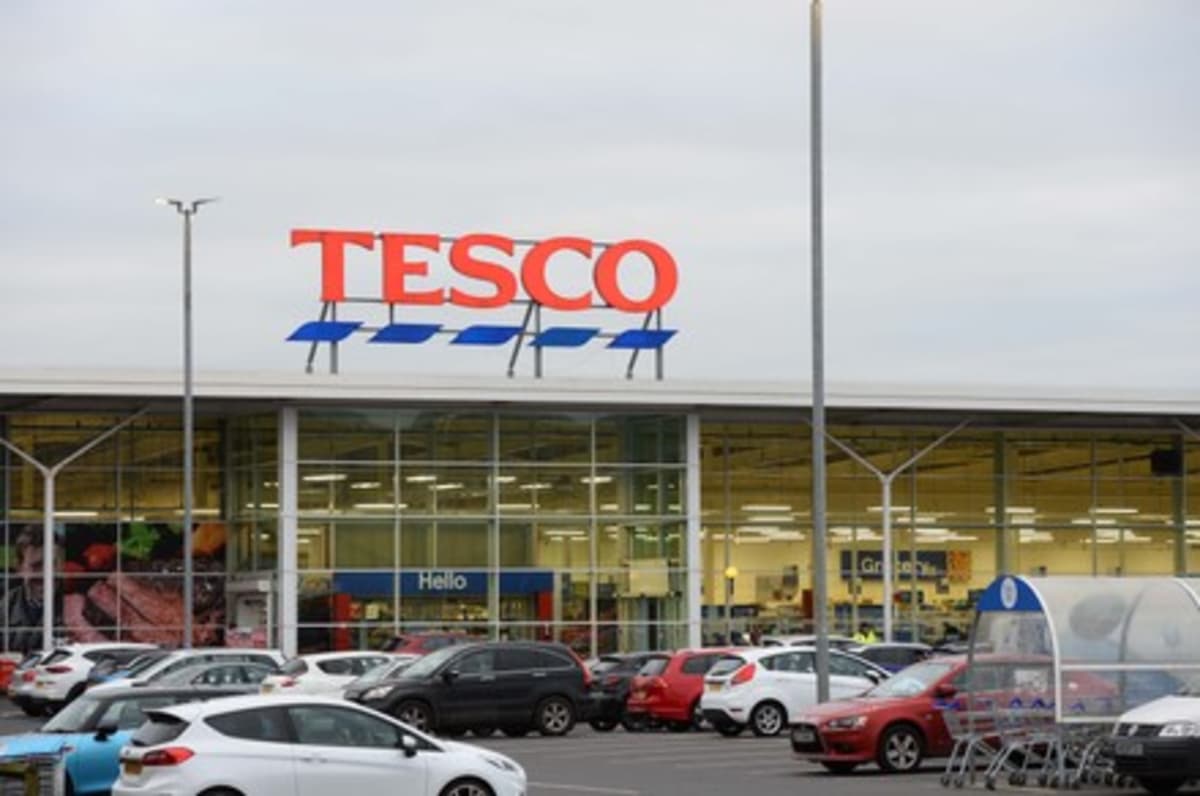
Grocery chain Tesco is trialing new facial recognition technology in January across 40 stores in the UK for 10 weeks.
Tesco shoppers in specific areas of the UK will encounter new security protocols starting Monday 26 January, as the retailer implements a high-tech initiative. This 10-week trial [1] will utilize facial recognition technology across 40 stores across the nation; they believe this would help identify repeat offenders and safeguard staff amid an increase in retail crime.
During the trial, CCTV footage related to serious incidents and thefts will be assessed by trained staff [2] at Tesco's Security Hub in Daventry. “This is a huge step forward, and we're feeling motivated and ready for the new challenges ahead. Our commitment to ensuring the safety and security of our colleagues and customers has never been stronger,” said Emma Sparrock, UK security operations centre lead at Tesco. Static images may be reviewed using non-live facial recognition technology. The supermarket has clarified that live facial recognition will not be utilized, and neither shoppers nor employees will be subject to real-time monitoring.
“This trial will help us improve colleague safety and tackle abuse and violent behavior by identifying repeat and dangerous offenders, and assisting police with their investigations,” said Rachel Bennett who is the Security Director at Tesco, “The investments we are making in improving safety across our store network will ensure that we not only lead the way in tackling the symptoms of retail crime, but drive collaboration right across the retail sector to deter would-be criminals.”
Mark Gleeson who [3] is the VP UK and Europe at Auror also said, We’re delighted to partner with Tesco to help build on the work they’re doing to keep their stores safe, and address the issue of violent and organized retail crime. Auror’s software will give store teams a structured and consistent way to record crime after it occurs. This will help Tesco to better connect the dots on prolific offenders across multiple locations and provides the information they need to make informed decisions to enhance colleague safety and collaborate with police. By using Auror, Tesco are joining the world’s largest network of leading retailers - all helping to surface the scale and severity of retail crime offending. Across the UK, the top 10% of offenders are causing 70% of the crime, and one in every 10 retail crime events are violent or involve weapons.”
Retailers are increasing their technology initiatives to enhance security. This summer, Tesco implemented AI-powered cameras at its self-checkout areas to mitigate shoplifting. The newly installed system utilizes overhead cameras to monitor self-checkout transactions and displays footage on screen if items do not scan correctly. However, The facial recognition technology has been met with mixed response from consumers, with concerns about privacy and surveillance accompanying its introduction.
In 2024, Big Brother Watch reported [4] that facial recognition cameras implemented by Southern Co-op to address shoplifting are disproportionately focused on individuals in economically disadvantaged neighborhoods. Southern Co-op implemented Facewatch live recognition cameras in 34 of its branches, primarily located in areas with above-average affluence. However, it is noteworthy that only five of these stores are situated in the wealthiest third of neighborhoods in England, while 14 are located in the most disadvantaged areas.
Live facial recognition technology is being utilized more frequently by law enforcement agencies and private companies. It functions in real time by comparing camera feeds to faces on a predetermined watchlist in order to identify individuals of interest. Whenever a match is detected, the system produces an alert. Nick Fisher, who [5] is the CEO of Facewatch said, “Retailers across the UK use Facewatch in those stores where it is necessary to do so because other crime prevention methods have been tried and failed. Their lawful use of Facewatch reduces crime between 30% and 70% in every location it is deployed in.”
Supporters, including law enforcement officials and government representatives, argue that the technology serves as a deterrent to crime and aids in identifying offenders. However, there are growing concerns regarding insufficient oversight and transparency as its implementation becomes increasingly widespread. Jake Hurfurt who [6] is the head of research at Big Brother Watch said, “This data shows that AI supermarket surveillance is being directed at poorer communities, who are more likely to suffer excessive invasions of their privacy and unfair treatment as a result.”