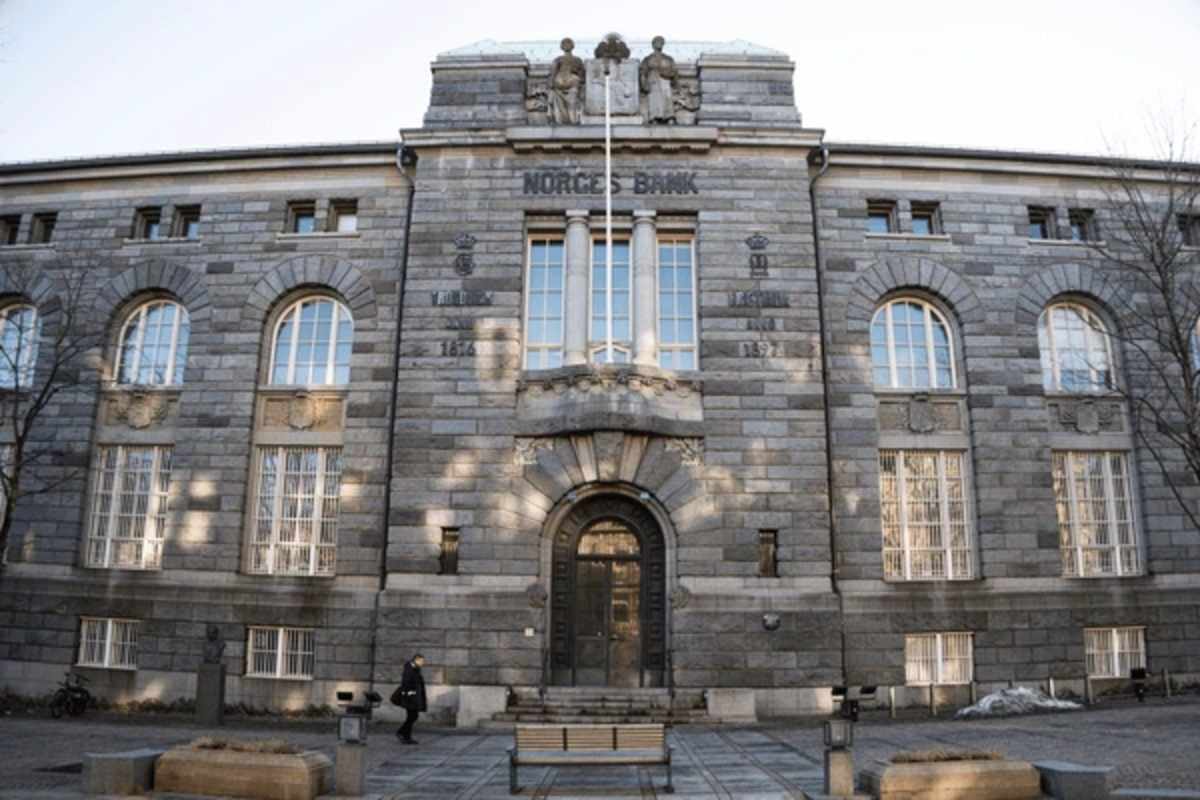
The Norwegian central bank has officially concluded that a central bank digital currency is not a pressing requirement, despite years of thorough research.
Norges Bank, [1] the central bank of Norway has stated that the current payment system continues to operate effectively for consumers, banks, and merchants, [2] which indicates there is no immediate need to introduce a digital krone a central bank digital currency or CBDC. The bank's assessment is based on a significant observation that Norway's payment system ranks among the most secure and efficient globally. Despite Norway experiencing some of the lowest cash usage rates worldwide, which often raises the demand for central bank digital currencies the existing system still provides quick settlements, seamless operations, and low economic costs.
Additionally, Norges Bank noted that its contingency systems are robust and are undergoing further enhancements. This level of stability diminishes the necessity for a digital alternative in the near future. Ida Wolden Bache, [3] who is the Governor highlighted that timing is a crucial factor. Although a digital krone is not currently viable, the country aims to be prepared for future developments. She noted that the bank is ready to launch a central bank digital currency if there are changes in the payment landscape, especially if digital payment methods could impact the long-term position of Norwegian currency or if there are shifts in international standards.
“Norges Bank has concluded that introducing a central bank digital currency is currently not warranted. The need for such a currency may, however, change in the future. We will be ready to introduce a central bank digital currency if it becomes necessary to maintain an efficient and secure payment system. We look forward to cooperating with the financial industry and other central banks on work in this area,” says Governor Ida Wolden Bache.
The bank is continuing to explore both retail and wholesale CBDC options. Retail CBDCs would operate similarly to digital cash for the public, whereas wholesale CBDCs, which involve tokenized deposits on a central ledger, would aid in interbank settlement and financial infrastructure. “Norges Bank will continue to research tokenisation and different forms of CBDC in order to be able to introduce a CBDC should it be necessary and monitor international developments. The Bank will research the possibilities and consequences of tokenisation through activities such as experimental testing, also in collaboration with other payment system participants. The Bank will provide input to necessary legislation and explore the possibility of using the Eurosystem's CBDC solutions and standards,” said the Norges Bank.
In April, 2021, Norges Bank [4] advanced its technical explorations into digital currency by releasing the source code for a central bank digital currency sandbox to the public. The central bank also partnered with Nahmii, [5] a blockchain company based in Norway, to develop [6] a sandbox environment to facilitate its experimentation with a central bank digital currency. These sandboxes serve as controlled test environments where innovative technologies can be evaluated under careful oversight. Øystein Olsen [7] who was Norwegian central bank Governor until 2022 said, “Central bank cash provides the payment system with a number of important attributes that may be relevant to retain and develop further by issuing a CBDC. Additional knowledge is necessary for us to be able to decide whether issuing a CBDC is appropriate.” The Norges Bank initiated testing for a possible CBDC, indicating its intention to investigate various technical solutions for a digital Norwegian krone over a two-year timeframe. Norway, which is not a member of the European Union, did not make a decision on the introduction of a CBDC. Norges Bank [8] indicated that the proportion of cash transactions in the country is likely the lowest globally and was collaborating with several private companies to investigate the technical challenges and potential of a CBDC.