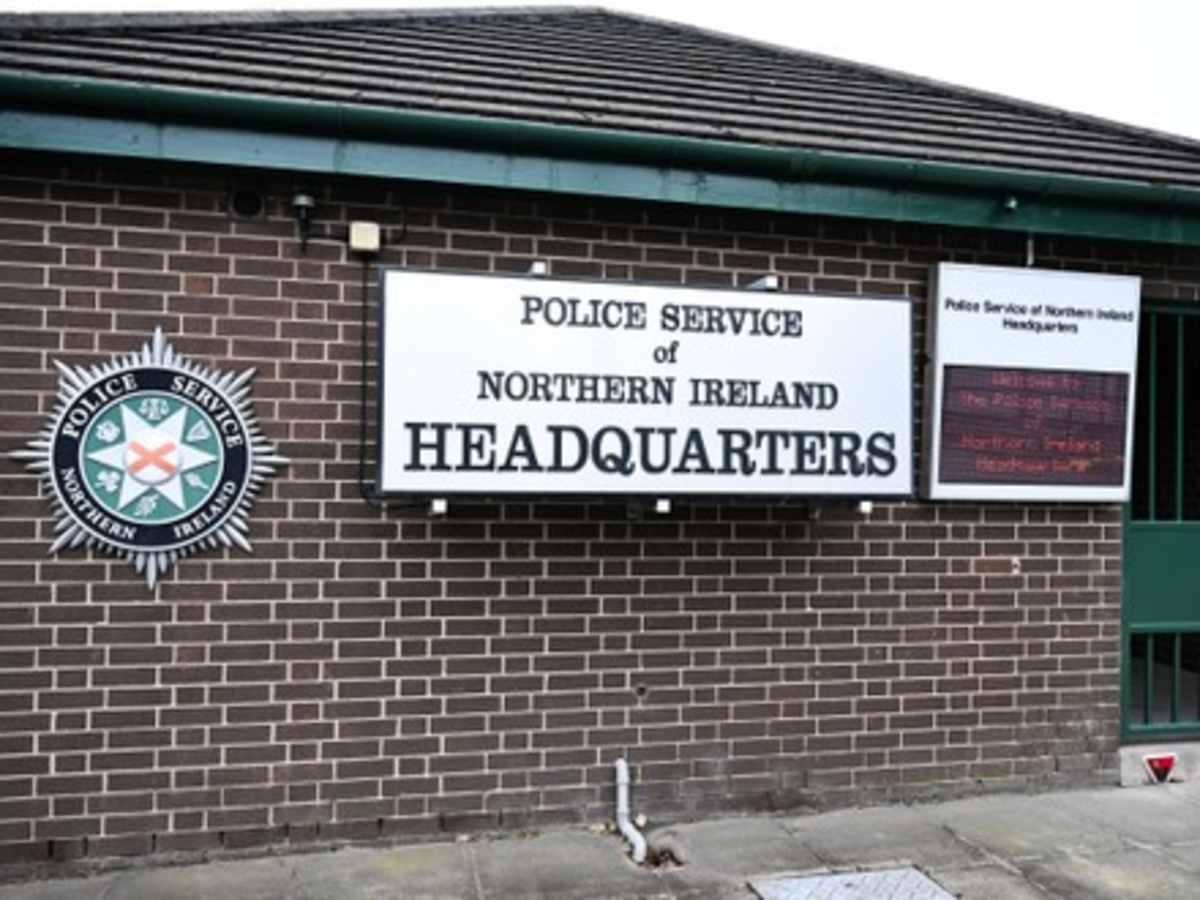
Northern Ireland is considering the possibility of enabling police to utilize facial recognition technology to create investigative leads through biometric matches, similar to the practices already observed in England and Wales.
The Police Service of Northern Ireland or PSNI has formed an internal Facial Recognition Governance Board to gather insights from live facial recognition initiatives implemented across the UK. Notable programmes under consideration include those carried out by London's Metropolitan Police, South Wales Police, and British Transport Police, [1] as reported by The Irish News.
This consideration comes after the UK government announced [2] a significant expansion of facial recognition capabilities for law enforcement. This initiative will increase the number of live facial recognition vans from 10 to 50, accompanied by [3] an investment of £115 million to establish a National Centre for AI in Policing. Alex Murray, [4] who is the Director of National Crime Agency said, “Policing faces growing demand, complex digital crime, and sustained financial pressure all of which feed into our push for policing reform. The launch of Police.AI marks a decisive step in meeting those challenges. The world is changing fast and the police must change fast too. Police.AI will lead the way in responsible AI development to tackle threat, prevent harm and deliver a policing service fit for now and the future, benefitting communities by freeing officers up to the frontline and supporting them to deliver quality investigations that ensure offenders are held to account.”
Chief Constable Jeremy Vaughan who is [5] the NPCC lead for science and innovation, also said, “Policing is on the brink of a once-in-a-generation reform. AI has an important part to play in that change supporting our people to do what they do best: help others Police.AI will drive innovation at a national scale while delivering real, practical benefits at local force level. It strengthens transparency, safeguards public confidence and ensures the tools we build are lawful, ethical and trustworthy. For the communities we serve, the work of Police.AI will translate into improved public safety, better outcomes for victims and vulnerable people, and more officers on the frontline instead of behind desks.”
In July 20025, it was reported by The Irish Times that reland's police [6] was granted the authority to employ artificial intelligence for analyzing gait, voice biometrics, and other physiological characteristics of suspects in the course of criminal investigations. In the wake of the Dublin riots, Drew Harris who [7] was the 21st Garda Commissioner said, “At the moment Garda investigations can involve teams of gardaí spending months and months trawling through footage from CCTV, footage captured on a phone or from passersby. Biometric technologies will help An Garda Síochána carry out investigations quickly and efficiently and will save valuable Garda time. It will prove to be of particular assistance where time is of the essence in order to preserve a person from a threat of serious harm or a threat to their life or the lives of others.”
In December 2025, the Irish government approved the use of facial recognition technology by police under specific conditions with the passage of [8] the Garda Síochána (Recording Devices) (Amendment) Bill. Jim O’Callaghan, who is [9] the Minister for Justice, Home Affairs, and Migration said [10] in a press release, “We know time is of the essence when Gardaí are attempting to identify a perpetrator suspected of involvement in a serious crime or when tracking the movements of a missing person. Therefore, it is critical that we remove the need to manually trawl through thousands of hours of footage, allowing them to pursue investigations more quickly, which will hopefully lead to successful outcomes.”