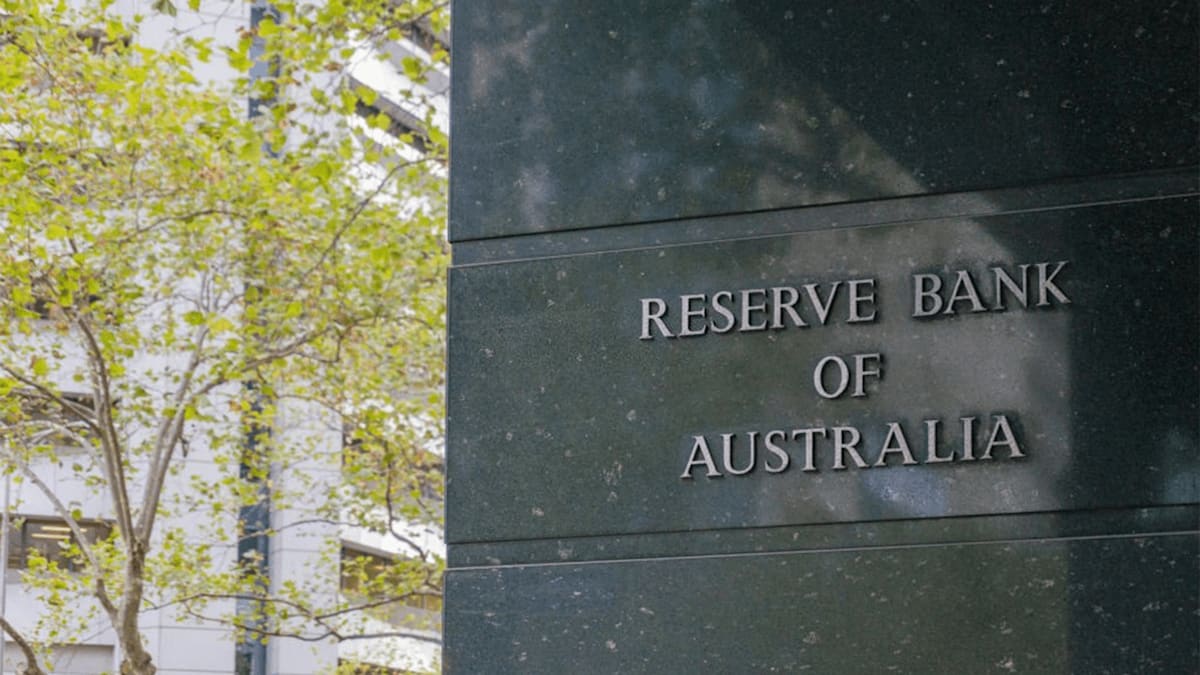
The Reserve Bank of Australia has determined that there is insufficient public interest to warrant the introduction of a central bank digital currency, as existing payment systems adequately meet the needs of households.
The evaluation relies on a public consultation which surveyed Australians regarding their payment requirements and opinions on a prospective retail central bank digital currency or CBDC. This aligns with the findings of [1] a joint paper published in 2024 by the Reserve Bank of Australia and the Treasury, addressing the implications of a CBDC and the future landscape of digital currency in Australia. In the wholesale sector, the RBA has analyzed the outcomes of Project Acacia, a national research initiative focused on the role of digital money in wholesale tokenized asset markets.
The Reserve Bank of Australia and the Treasury have released an update [2] titled Retail Central Bank Digital Currency in the Australian Context, which coincides with their efforts to promote innovation in wholesale finance. “Digital technologies are changing the way Australians make and receive payments. As new forms of money emerge around the world, policymakers are considering whether the forms of money currently available to households and businesses will continue to meet the needs of the community. In this context, the Reserve Bank of Australia and Australian Treasury have continued to examine the potential role of a retail central bank digital currency in the Australian economy. Recent research indicates that Australians continue to be well served by the current retail payment system alongside ongoing innovation in digital finance. The RBA and Treasury maintain that there is currently no clear public interest case for issuing a retail CBDC in Australia, reaffirming the assessment reached in the 2024 RBA–Treasury White Paper,” the central bank sated in their Executive Summary.
On page 5 titled Results from Direct Public Engagement, the consultation identified multiple recurring themes related to Australians' experiences with the payments system and their perspectives on a potential retail CBDC. Australians generally expressed a positive view of the payments system, indicating that it adequately fulfills their everyday payment requirements and that cash remains significant for addressing the payment needs of Australians. “Cash remains highly valued as a simple and reliable payment option, particularly as an alternative to complex digital payments for some individuals. Cash was also widely viewed as an essential back-up payment method during emergencies, technology outages and climate events. Views on a potential offline capability for a retail CBDC, which would allow users to make digital payments without a network connection and thereby retain a core attribute of cash, were mixed. Regional Australians were more likely to feel it offered meaningful value, however, many continued to prefer cash, viewing it as a more reliable option. These views suggest that though offline payments could address some resilience concerns, it may not be sufficient to drive widespread adoption of a retail CBDC. Concerns that a retail CBDC might result in a decline in physical cash were common,” said the RBA.
The assessment is based on a public consultation carried out by Verian Group, which sought input from Australians regarding their payment needs and perspectives on a possible retail central bank digital currency. The findings from this consultation are detailed in the independent report [3] titled Unmet Payment Needs and Digital Money. Throughout the project, 24 use cases were developed and tested, with 19 of these involving real-world transactions across various asset classes, including fixed income, private markets, and trade receivables. In response to this research, the central bank has initiated a consultation regarding the role of its high-value settlement system in the evolution of a tokenised ecosystem.
The consultation aims to gather opinions on how the RBA’s settlement [4] services could facilitate the development and expansion of tokenised asset markets and tokenised private money in Australia. The RBA has [5] stated that this consultation is one of several initiatives outlined in Project Acacia which is intended to lay the groundwork for a future programme aimed at ensuring that Australia’s money, payments, and settlement systems remain relevant and effective. The consultation [6] will remain open until 30 October 2026.
In November 2021 Tony Richards, who [7] was previously Department Head at the Reserve Bank of Australia, in his address [8] titled ‘The Future of Payments: Cryptocurrencies, Stablecoins or Central Bank Digital Currencies?’, stated that the central bank plans to collaborate with the CRC to investigate the potential opportunities related to the digitization of assets. This initiative is supported by 28 founding entities of the center and is funded by A$60 million in federal financial backing.
Richards stated that the Reserve Bank of Australia intends to release a report soon detailing its collaboration with four external entities on the technical aspects of wholesale central bank digital currencies, which are designed for settling interbank transfers and related wholesale transactions. However, he expressed a cautious perspective on CBDCs, noting that his colleagues at the central bank remain unconvinced that a compelling policy argument for a CBDC has yet been established in Australia.