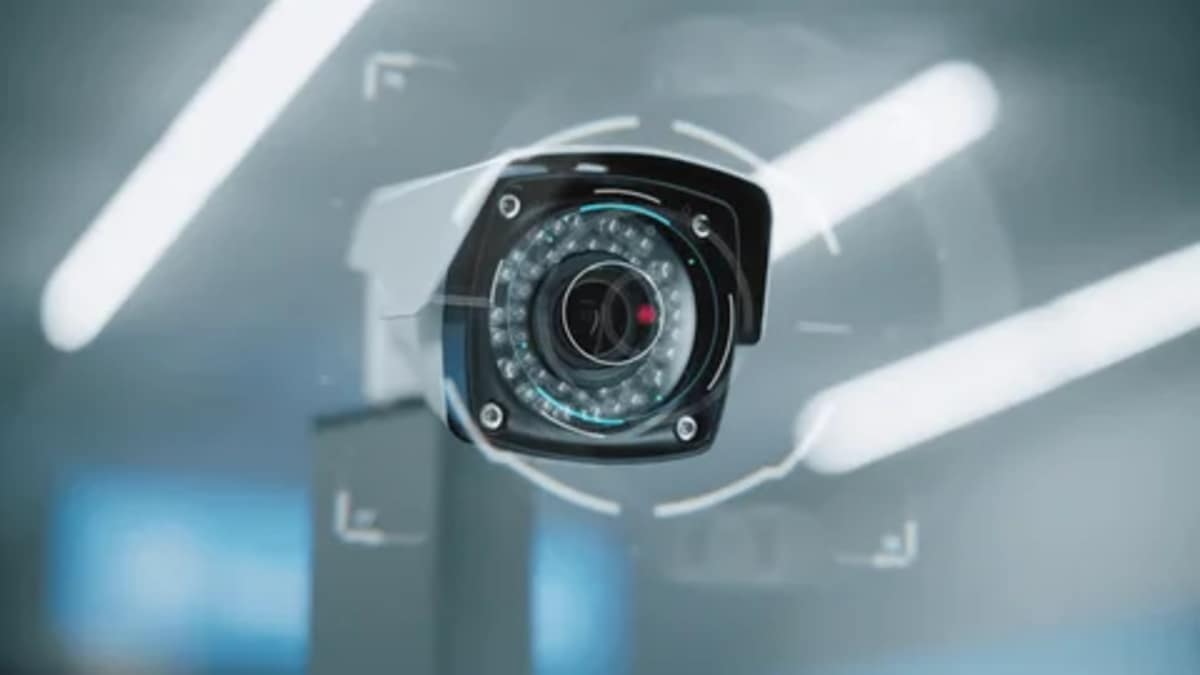
Hong Kong is set to significantly expand its public surveillance network, with plans to install around 60,000 CCTV cameras by 2028.
The number of surveillance cameras is set to rise significantly, from fewer than 4,000 currently operational under [1] the police-led SmartView programme. Legislative [2] filings indicate that the rollout will occur in phases over three years, concentrating on areas with higher foot traffic and crime rates. Police officials informed lawmakers that the enhanced network would incorporate artificial intelligence tools already utilized for license plate reading and crowd analysis. They indicated that tracking suspects throughout the network would be a feature that could naturally follow the establishment of the new infrastructure.
Authorities have indicated that suspect tracking within the network could be a natural progression once the necessary infrastructure is established. This expansion marks one of the most significant surveillance efforts in the city following [3] the implementation of the National Security Law. The law, established in reaction to the protests that occurred in Hong Kong the previous year, criminalizes a broader spectrum of dissenting activities while diminishing the city's autonomy in various aspects. Authorities in Beijing and Hong Kong assert that the legislation is essential for maintaining stability and refute claims that it undermines autonomy. Chris Yeung who [4] was chairman of the Hong Kong Journalists' Association said, “The arrests have heightened the atmosphere of fear among journalists that has been present since the implementation of the national security law.”
The scale of this initiative reflects comparable projects that have become prevalent in cities across mainland China, [5] where AI-driven monitoring is extensively utilized. M. Dane Waters from the Henry Jackson Society said, “China’s rapid advancements in artificial intelligence have significantly reshaped the global landscape, with profound implications for security, economic stability and democratic values. While AI holds immense potential for innovation and efficiency, under China’s authoritarian use of it, AI has become a tool for mass surveillance, censorship, disinformation, military expansion and economic coercion. This report analyses how China weaponises AI to consolidate power, influence global narratives, how Chinese AI companies must comply with the CCP’s orders, and how this undermines democratic institutions worldwide.”
Officials have confirmed that the new cameras will be capable of facial recognition and other automated image processing technologies. The implementation of [6] these functions is governed by legal restrictions established under the Personal Data Ordinance. Existing guidelines from the Office of the Privacy Commissioner for Personal Data mandate that a privacy impact assessment must be conducted prior to the activation of any biometric technologies. The assessments are required to show necessity and proportionality. SmartView planning materials also outline the need for public notification and restrictions on the duration of footage retention, indicating an effort to create defined privacy parameters. This new plan expands on previous measures to integrate artificial intelligence into surveillance systems in Hong Kong.
An earlier [7] initiative proposed to enable facial recognition technology in over 3,000 cameras by the end of 2025. The revised timeline transforms the previously limited upgrade into a comprehensive citywide infrastructure initiative, featuring cameras that connect to centralized platforms designed for real-time identification and video scanning. Hong Kong’s privacy watchdog, an independent statutory body, did not provide a comment on whether it was consulted regarding plans to expand the surveillance camera program. Eric Lai, a Senior Fellow [8] at the Georgetown Center for Asian Law and author of Legal Resistance under Authoritarianism, stated that the police in Hong Kong are not effectively overseen by independent watchdogs and noted the absence of clear regulations on the use of artificial intelligence by law enforcement agencies. “It is therefore questionable whether the existing legal and regulatory framework is sufficient to prevent police abuse of power in deploying AI technology for surveillance, or whether procurement processes are conducted with proper regard for human rights due diligence,” said Lai.