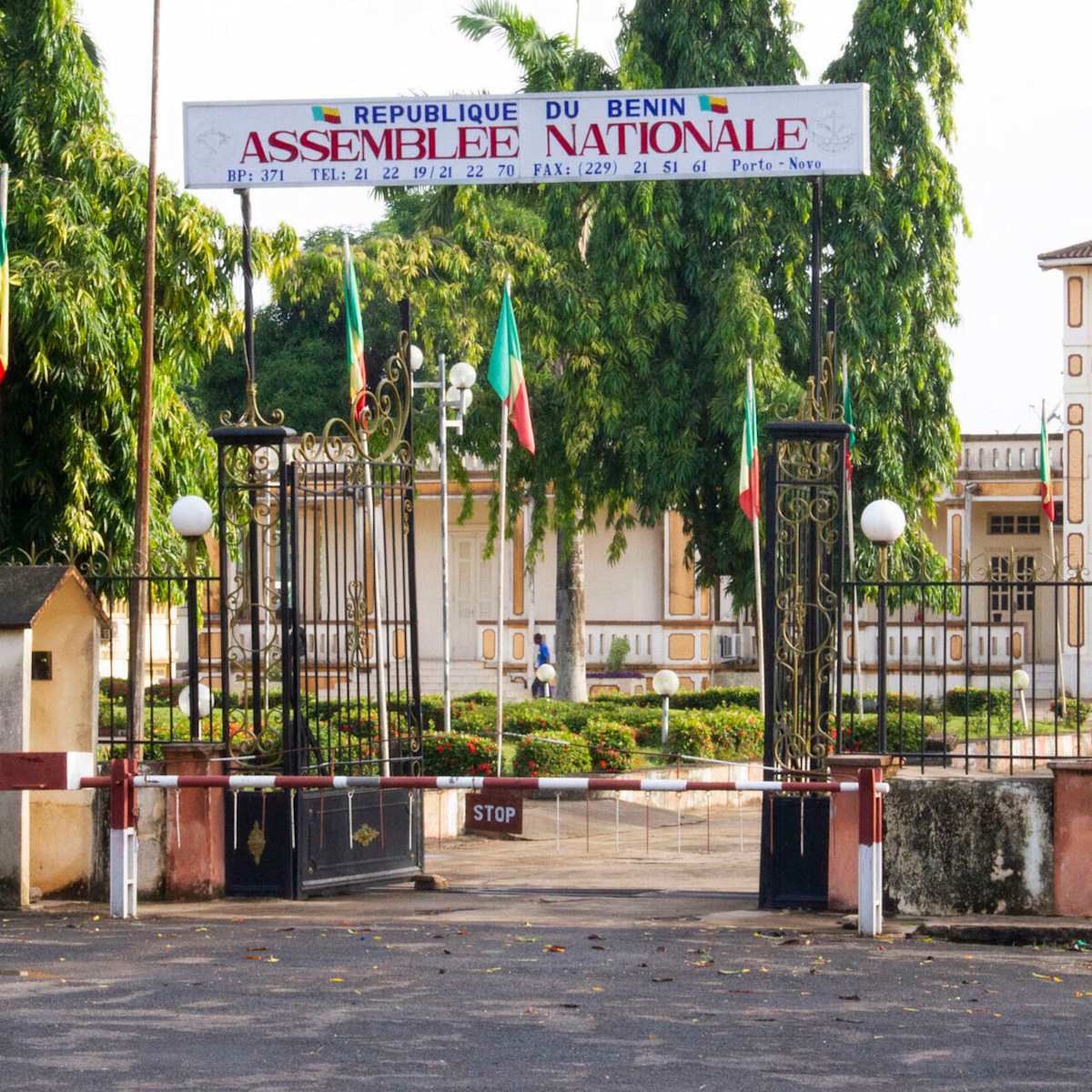
West African nation Benin implemented a 2-week initiative aimed at providing free birth certificates to unregistered children under the age of 14, integrating them into the national digital identification system.
The National Agency for the Identification of Persons or ANIP in Benin initiated a nationwide campaign to provide free birth certificates to children under 14 who have not previously registered their births. This effort highlights the growing importance of birth registration as a vital component of digital public infrastructure.
The campaign commenced on September 16 and ran until September 30, coinciding with this year’s International Identity Day. It was being conducted in partnership with the United Nations Children’s Fund or UNICEF, [1] as stated in a government release. This initiative is underpinned by a legal framework established in October of the previous year, which permits the registration of births for children under 13 under specific circumstances, following a request from a public prosecutor and corroborating testimony.
Benin's initiative to increase the number of children registered with birth certificates reflects a broader trend among various countries across the continent and beyond, which are prioritizing the enhancement of birth registration. This effort is seen as a crucial component of the development of digital public infrastructure or DPI, underscoring the recognition that birth registration serves as a fundamental element of DPI. Benin has achieved a high legal identity coverage rate, [2] with 99% of its citizens enrolled in the biometric ID database. Additionally, the country is experiencing rapid growth in digital adoption, as over seventy-five percent of public services are expected to be accessible through digital channels by 2025.
As Benin develops its digital public infrastructure, it is engaging with experienced countries like Ethiopia to exchange insights. A delegation from Benin recently visited Ethiopia [3] to learn about the effective management of one of Africa's most encouraging national digital identity systems, currently in operation in Addis Ababa. Mahuna Akplogan, who [4] is the Minister of Digital Transformation and Innovation said, “Ethiopia has recently demonstrated that the country has been able to be very effective in digital transformation and in innovating the services offered to citizens. The two countries are entering a phase of learning from one another and exploring broader areas of cooperation.”
During the visit, officials from both delegations discussed how Benin could benefit from Ethiopia's integrated Digital Public Infrastructure system. This was highlighted by platforms such [5] as MESOB, which provides a comprehensive access point for a wide range of public services through [6] the Fayda digital ID. Benin is [7] also participating in the 50-in-5 campaign, an initiative launched in 2023 aimed at assisting at least 50 countries in the Global South to implement one component of Digital Public Infrastructure by 2028. Additionally, the country is developing a digital wallet to enhance identity coverage and service delivery. Marc André Loko, who [8] is Director General at ASIN said [9] in a press release, “Transforming the daily lives of Beninese citizens through digital begins with one principle: simplification. That is the very purpose of the digital public infrastructure we are building, and of our commitment to the 50-in-5 Campaign.”
Another African nation, Somalia has reported progress in its national identity implementation efforts. Recent figures released by the National Identification and Registration Authority or NIRA indicate that approximately 1.5 million citizens have been issued a national ID, [10] according to Hiraan Online.
NIRA currently operates 59 registration centres and 17 mobile teams, in addition to 31 centres located in the country's embassies to facilitate diaspora registrations. The ID authority asserts that this increase reflects the government's ongoing commitment to expanding identity registration and making it a requirement for various government services, including passport applications and documentation in the transport sector.
- https://www.gouv.bj/article/3668/journee-identite-2026-benin-anip-accelere-reformes-gouvernement-identite-fiable-securisee-tous/
- https://www.worldbank.org/en/news/feature/2026/05/20/transforming-lives-in-benin-a-unique-identification-system
- https://www.ena.et/web/eng/w/eng_9347844
- https://techreviewafrica.com/news/5729/benin-appoints-mahuna-akplogan-as-minister-for-digital-transformation-and-innovation-with-responsibility-for-national-ai-strategy
- https://mesobcenter.et/en/
- https://id.gov.et/
- https://50in5.net/benin-joins-the-50-in-5-campaign/
- https://www.cnbcafrica.com/people/marc-andre-loko
- https://asin.bj/article/70/press-release-benin-joins-global-digital-public-infrastructure-campaign/
- https://www.hiiraan.com/news4/2026/Sep/206316/somalia_registers_15_million_citizens_under_national_id_system.aspx